Matibi Nook Learning Center
Empowering 17 villages through the innovative Matibi Nook—Zimbabwe's first self-learning innovation hub where traditional wisdom meets cutting-edge technology
Matibi Nook Self-Learning Training & Economic Empowerment
The Matibi Nook Learning Center empowers the community by supporting income-generating activities, self-learning training, and entrepreneurship. Economic stability enables families to break the cycle of poverty and creates pathways to self-sufficiency through the Matibi Nook's innovative self-learning approach across all villages in Matibi Ward.
Self-Learning Innovation
Our unique approach empowers learners to become independent problem-solvers, combining traditional skills with modern technology to create sustainable solutions.
Community-Driven Development
Every project addresses real community challenges, ensuring that learning directly translates into practical improvements for the 17 villages we serve.
Entrepreneurship Focus
We don't just teach skills—we create entrepreneurs. Our learners establish businesses, participate in trade fairs, and develop sustainable income streams.
The Nook Learning Center: Zimbabwe's First Self-Learning Innovation Hub
Located in Murawi Business Centre, Matibi, the Nook represents a revolutionary approach to rural education—combining traditional Zimbabwean wisdom with cutting-edge technology to create Africa's first community-driven self-learning innovation center serving 17 villages. Our approach, developed in partnership with Project Defy, the Nook pioneered self-learning methodologies that have transformed rural education in Zimbabwe.
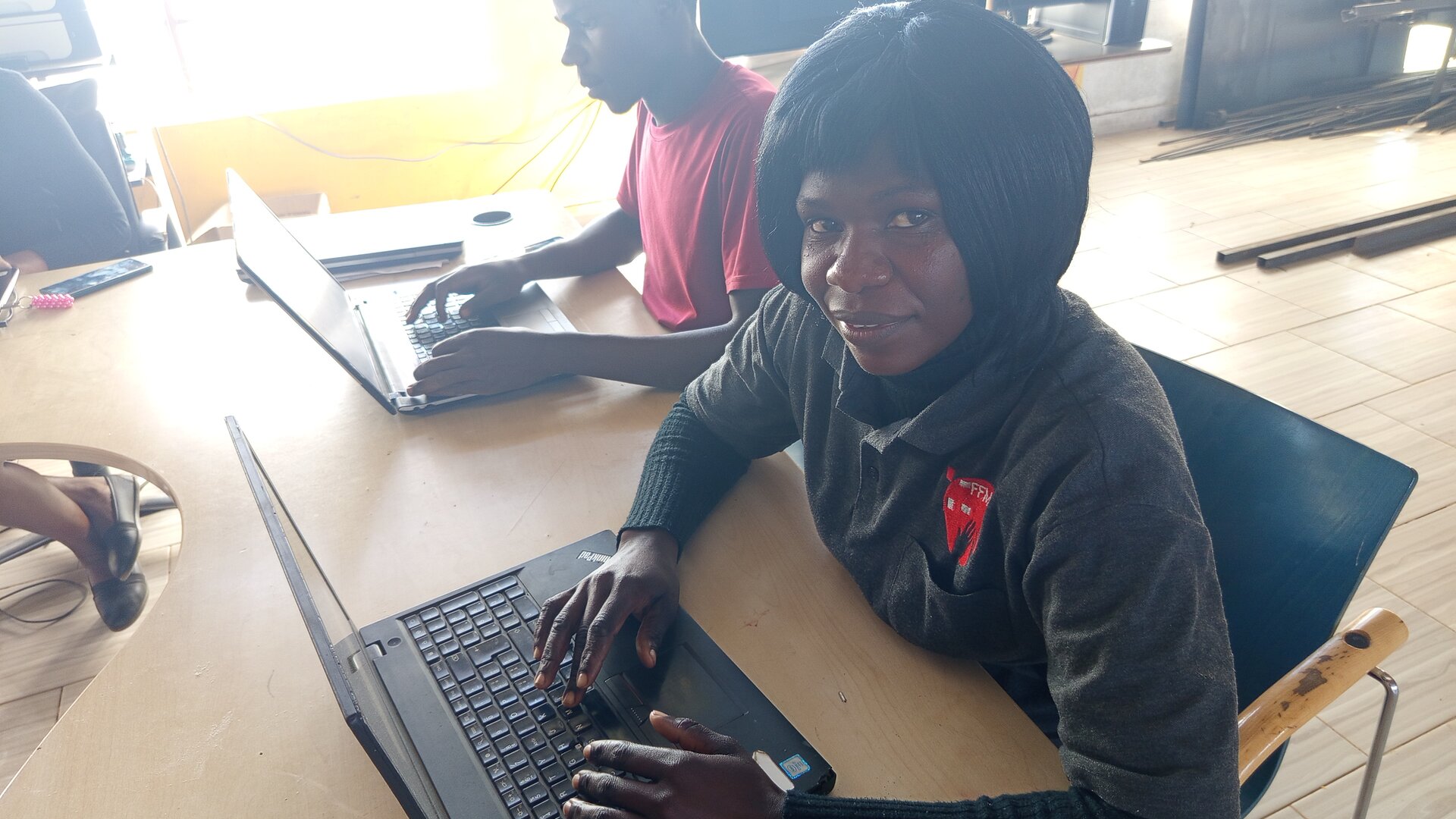
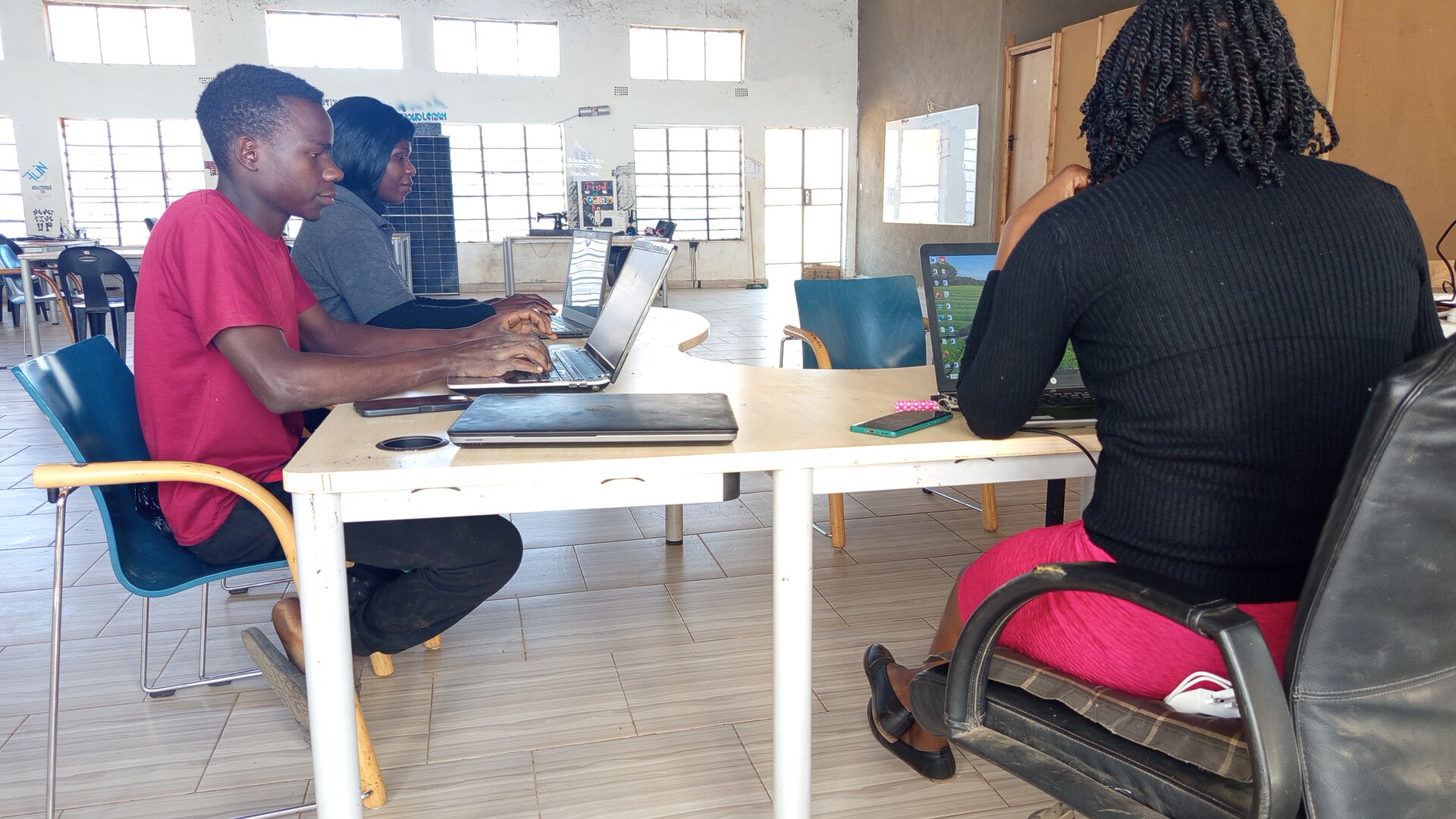
Digital Skills Laboratory
Solar-powered computer training facility
Revolutionary Learning Environment
The Nook opened on September 21, 2021 as Zimbabwe's first self-learning innovation hub, designed to empower rural communities through practical, project-based education. Our unique approach combines traditional skills with modern technology, enabling learners to create income-generating projects while solving real community challenges.
Thanks to the longstanding support of the Leopold Bachmann Foundation and a 2024-2025-2026 investment of $276,428 USD, we've created a comprehensive learning ecosystem that includes climate-friendly infrastructure, solar power systems, and specialized workshops.
2024-2025-2026 Major Developments:
- • Nook Hostel construction for 50 residents
- • Solar-powered butchery project
- • Climate-friendly roof installation
- • Enhanced permaculture gardens
- • Second vehicle for expanded outreach
Real-World Problem Solving
Our students don't just learn skills—they solve real community challenges. From developing Android apps in Shona language that caught the attention of the German Embassy to creating sustainable furniture and establishing profitable bakeries, every project has tangible impact.
The Edison Challenge, our signature program, pushes learners beyond their comfort zones. Students like Eunice Phiri came to learn baking but discovered innovation, now creating solutions that benefit entire communities.
First Cycle Success (2022):
36 learners in 14 teams completed 12 projects, from 3-tier wedding cakes to electric bikes, with 100% receiving business orders
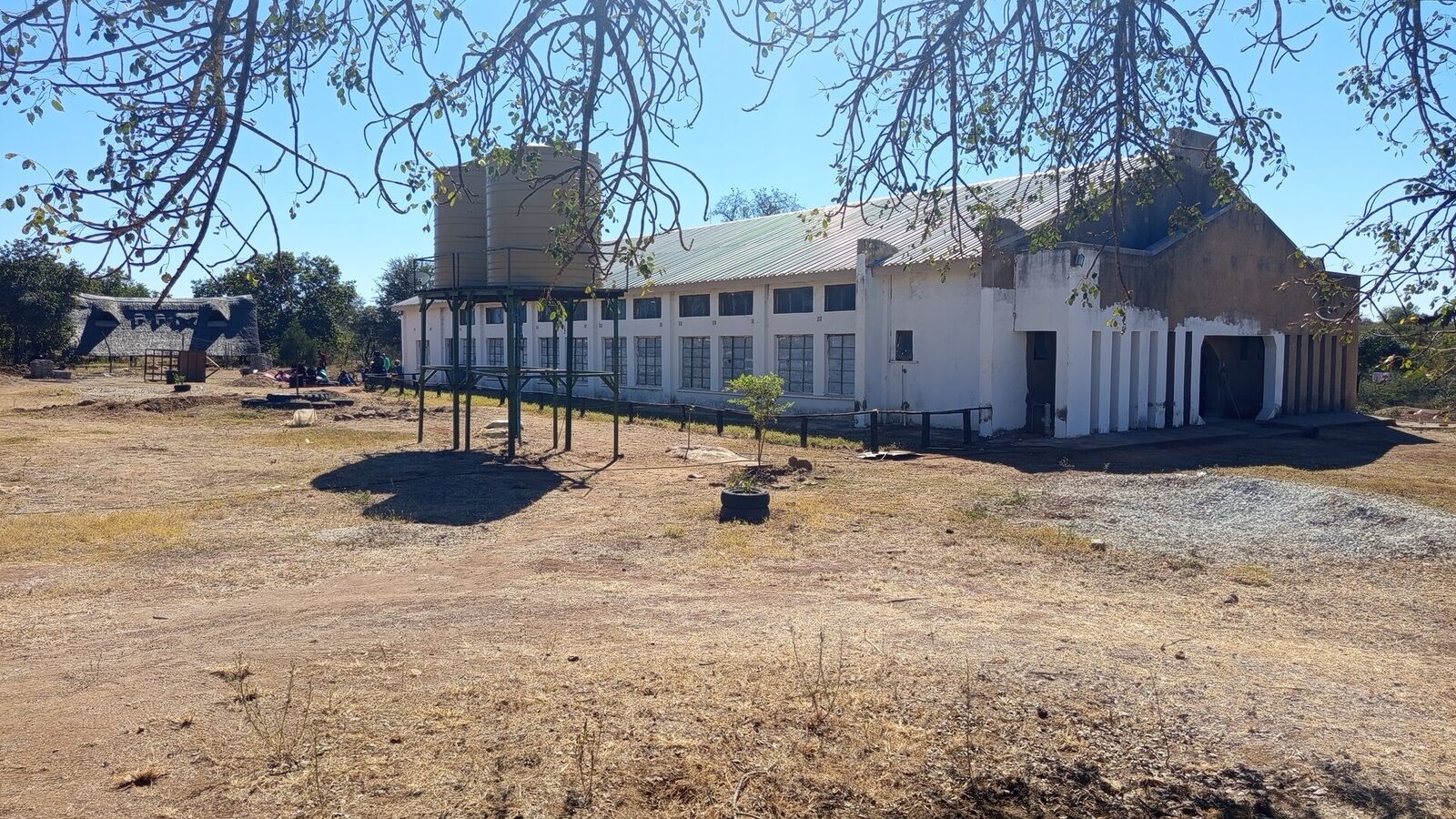
Central Learning Hub
Complete with water storage and infrastructure
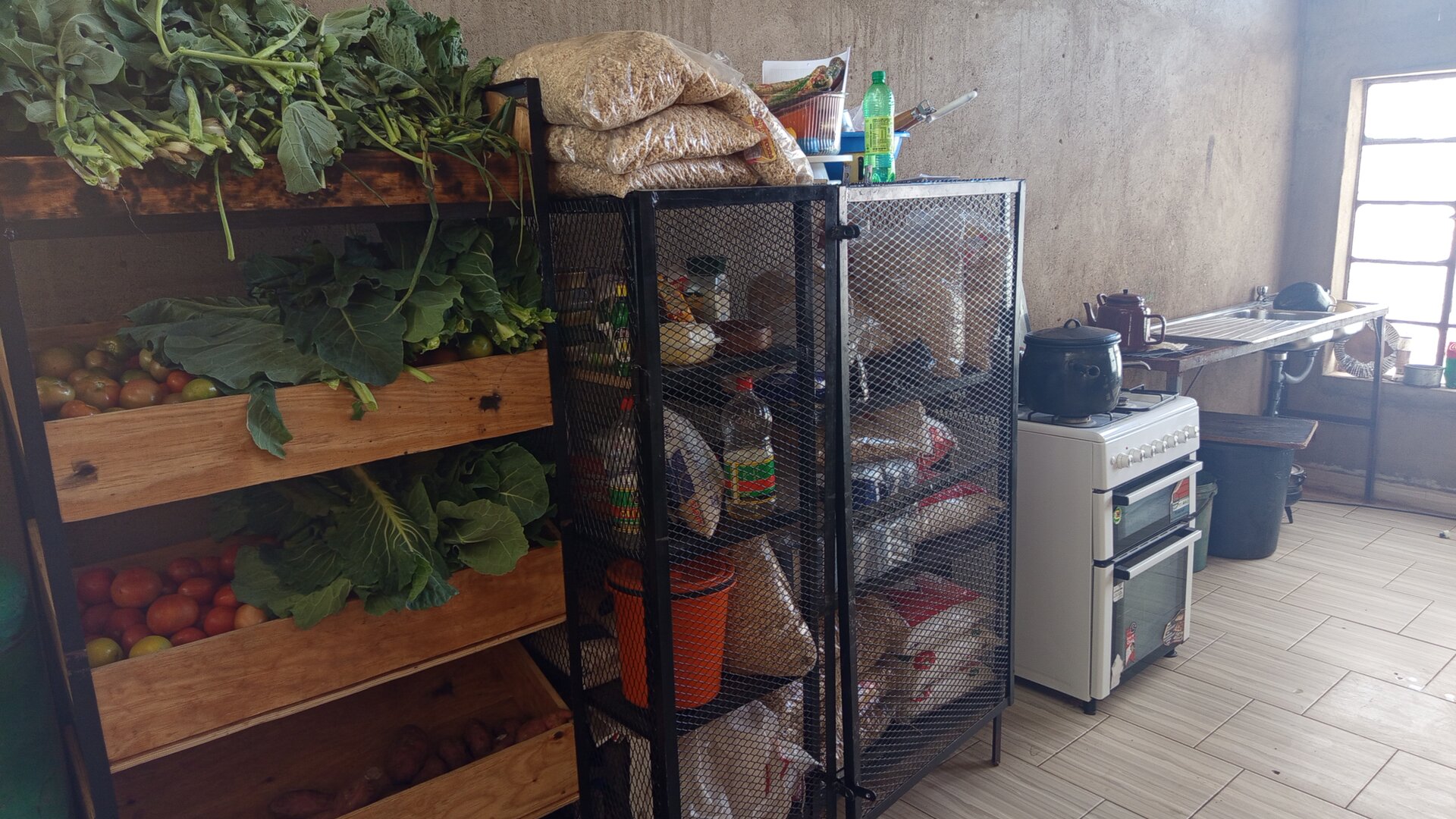
Food Production Hub
Fresh produce storage and culinary training
Sustainable Food Systems
Our food production facilities integrate seamlessly with the permaculture project, creating a complete farm-to-table learning experience. Students learn everything from sustainable farming techniques to food processing, storage, and culinary arts.
The partnership with SIRP (Smallholder Irrigation Revitalization Programme) and IFAD provides additional training opportunities, with learners establishing successful muffin and scone production businesses that diversify community income sources.
Business Success Stories:
Multiple learners have established profitable bakeries, participated in national trade fairs in Harare and Bulawayo, and developed corporate internship partnerships
Training Areas & Skills Development
Agricultural Skills
- • Sustainable farming techniques
- • Permaculture methods
- • Water management and irrigation
- • Soil regeneration practices
- • Livestock management
Entrepreneurship Focus
- • Business development
- • Small business management
- • Cooperative formation
- • Market linkage training
- • Financial literacy
Technical Skills
- • Solar power installation
- • Basic construction and repair
- • Water system management
- • Equipment maintenance
- • Technology literacy
Construction
- • Building techniques
- • Infrastructure development
- • Maintenance skills
- • Safety practices
- • Project management
Leadership
- • Community leadership
- • Team coordination
- • Communication skills
- • Conflict resolution
- • Project facilitation
Alternative Education
- • Self-guided learning
- • Practical education
- • Skills-based curricula
- • Adult education programs
- • Literacy and numeracy
Nook Learning Cycles
Registration is open for the 11th learning cycle.
10th Nook Learning Cycle
In progressTraining areas
- • Sustainable agriculture and permaculture
- • Entrepreneurship and business development
- • Technical skills and solar energy
- • Construction and infrastructure
- • Leadership, community development and self-directed learning
- • Education and practical skills
11th Nook Learning Cycle
Open / Registration openTraining areas
- • Sustainable agriculture and permaculture
- • Entrepreneurship and business development
- • Technical skills and solar energy
- • Construction and infrastructure
- • Leadership, community development and self-directed learning
Self-Learning Innovation Center
We are the only inch wide community development charity that is offering mile deep holistic support through a self-learning innovation center so that people can create their own independent and self-sustaining life.
Our approach, developed in partnership with Project Defy, tackles together the most pressing problems of the community and helps the community thrive through innovative, locally-driven solutions that can be sustained and replicated.
The center enables participants to not just learn skills, but to become innovators and problem-solvers in their own communities, creating lasting change that extends far beyond individual participants.
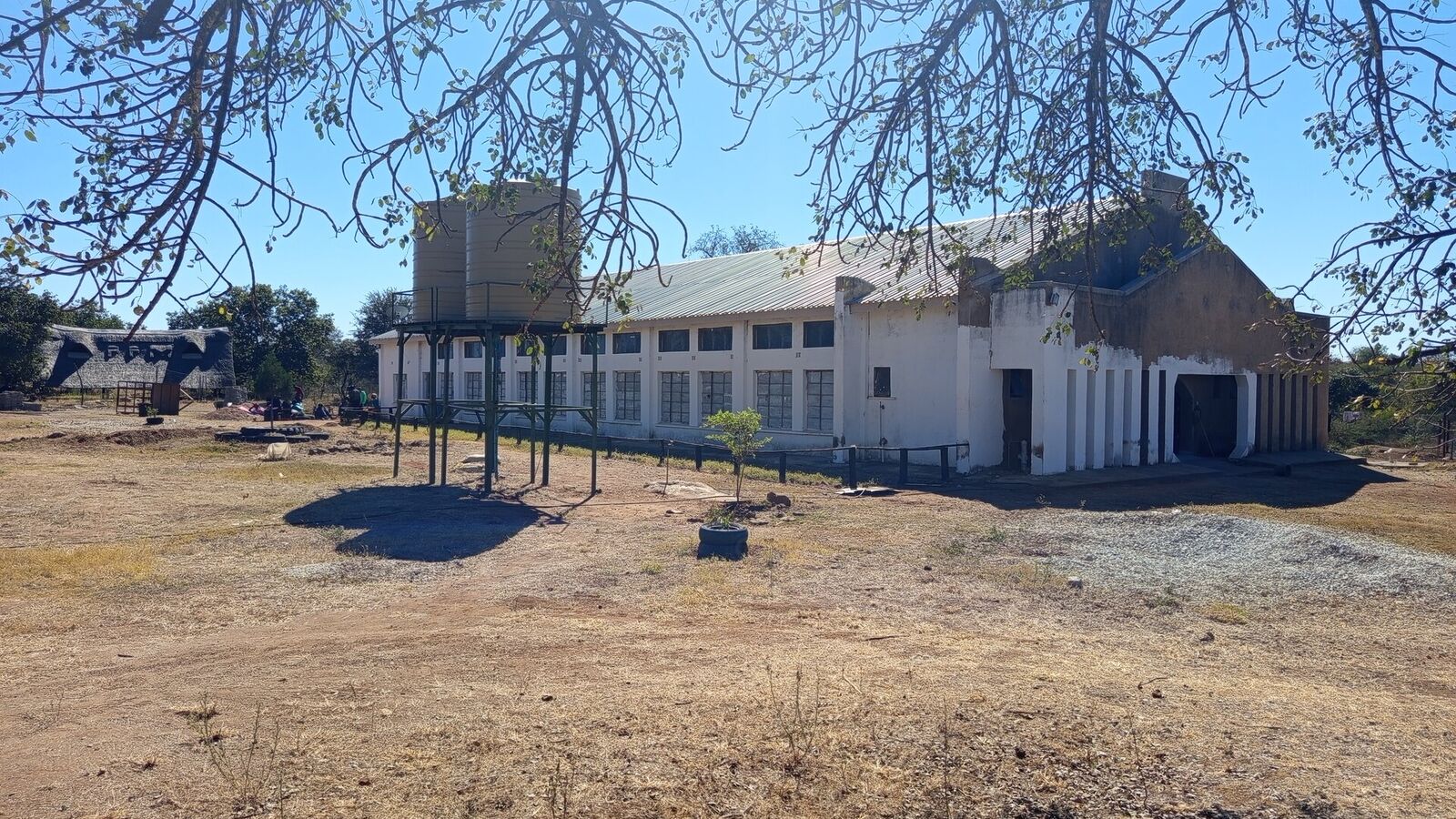
Our Training Facilities
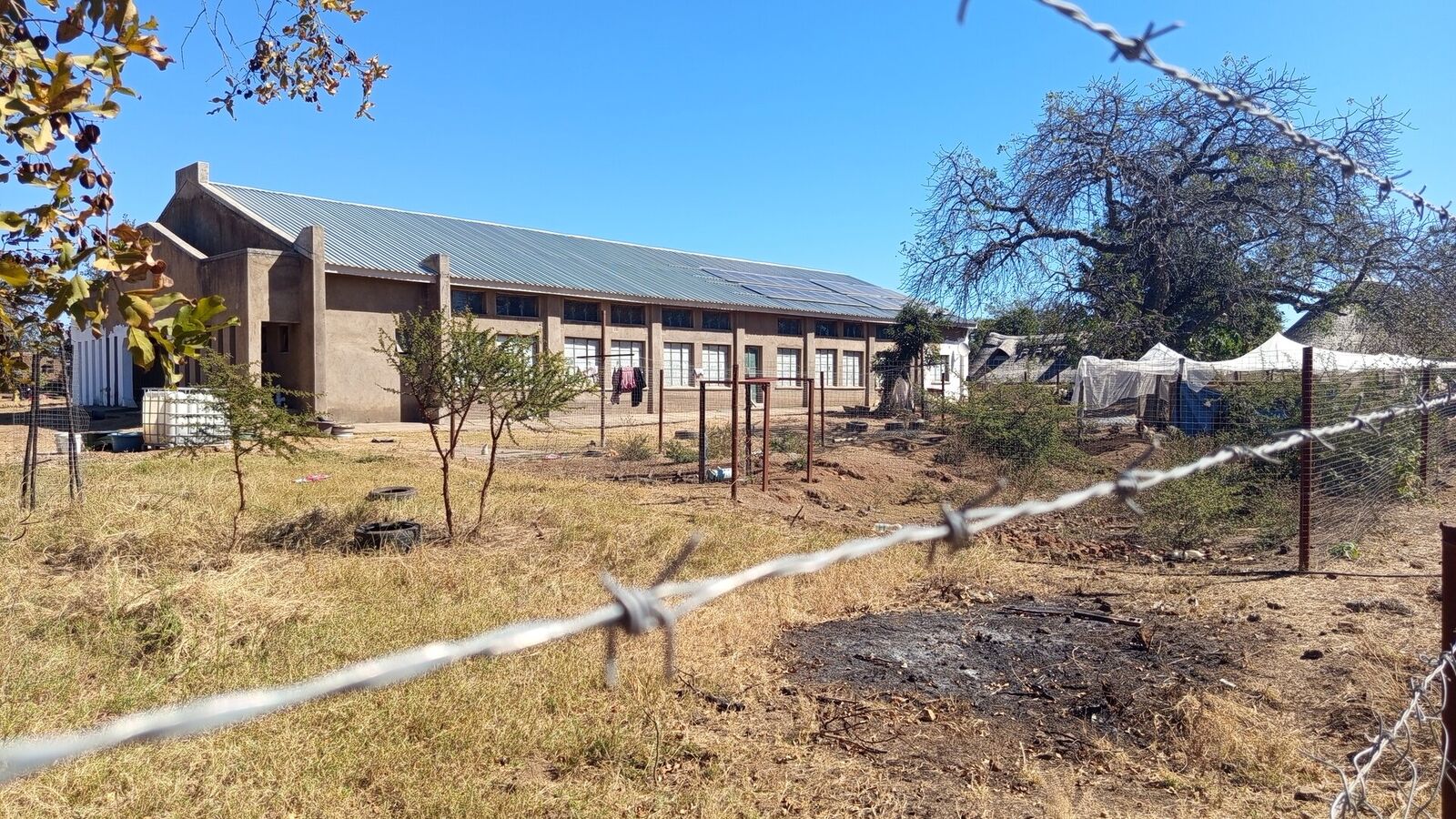
Main Training Center
Solar-powered learning facility
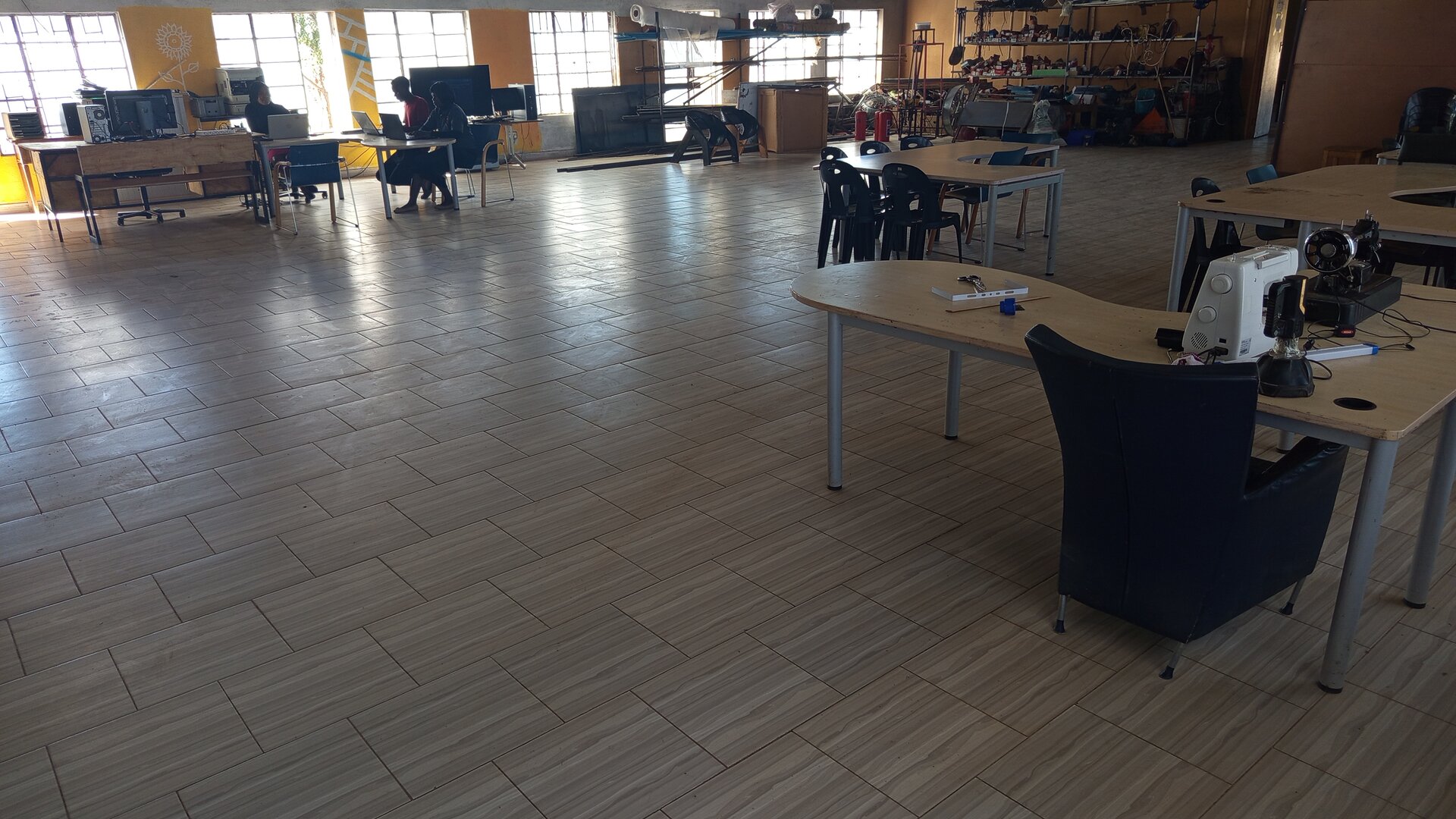
Self-Learning Workshops
Equipped spaces for practical learning
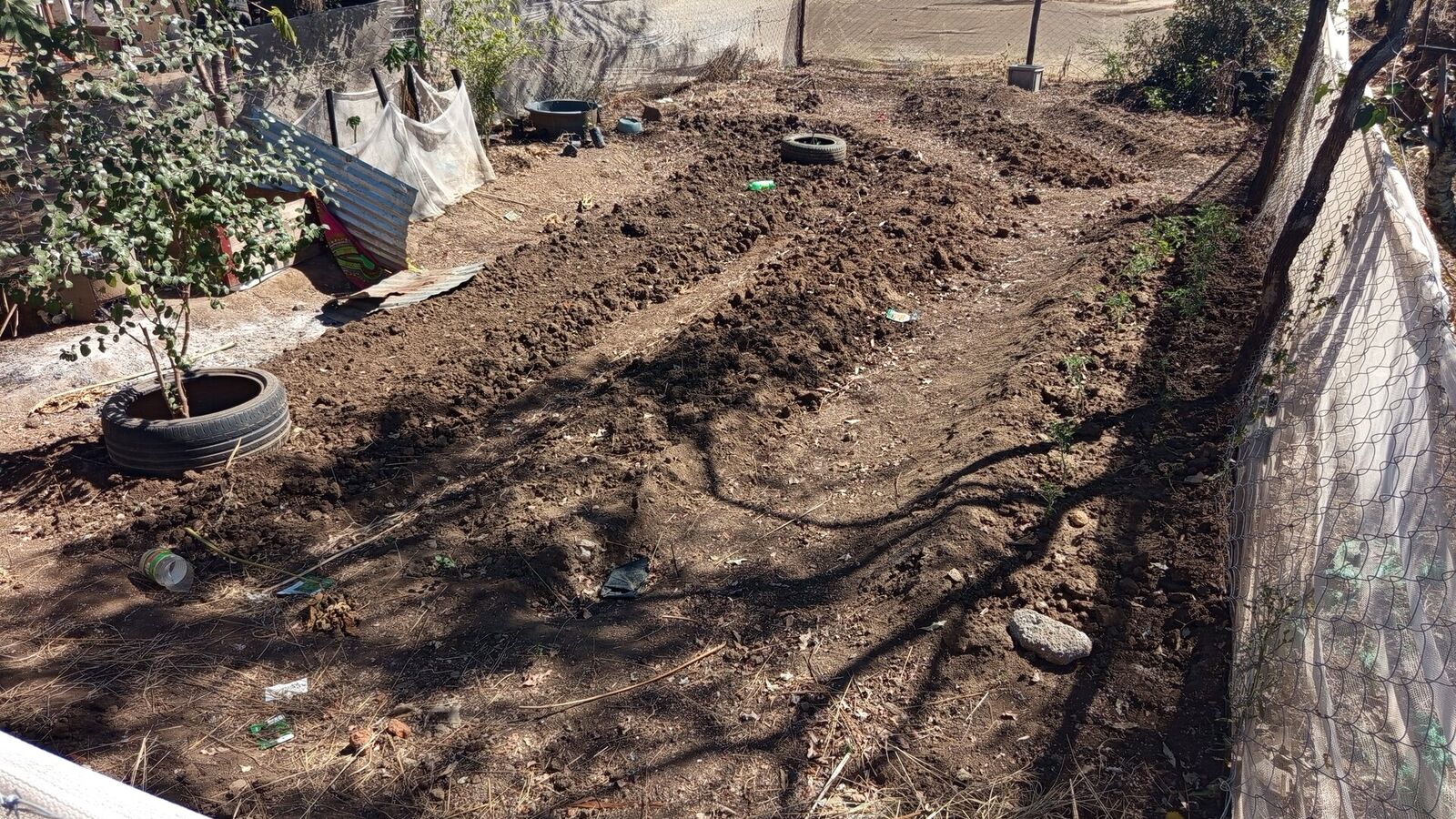
Agricultural Training
Permaculture and sustainable farming
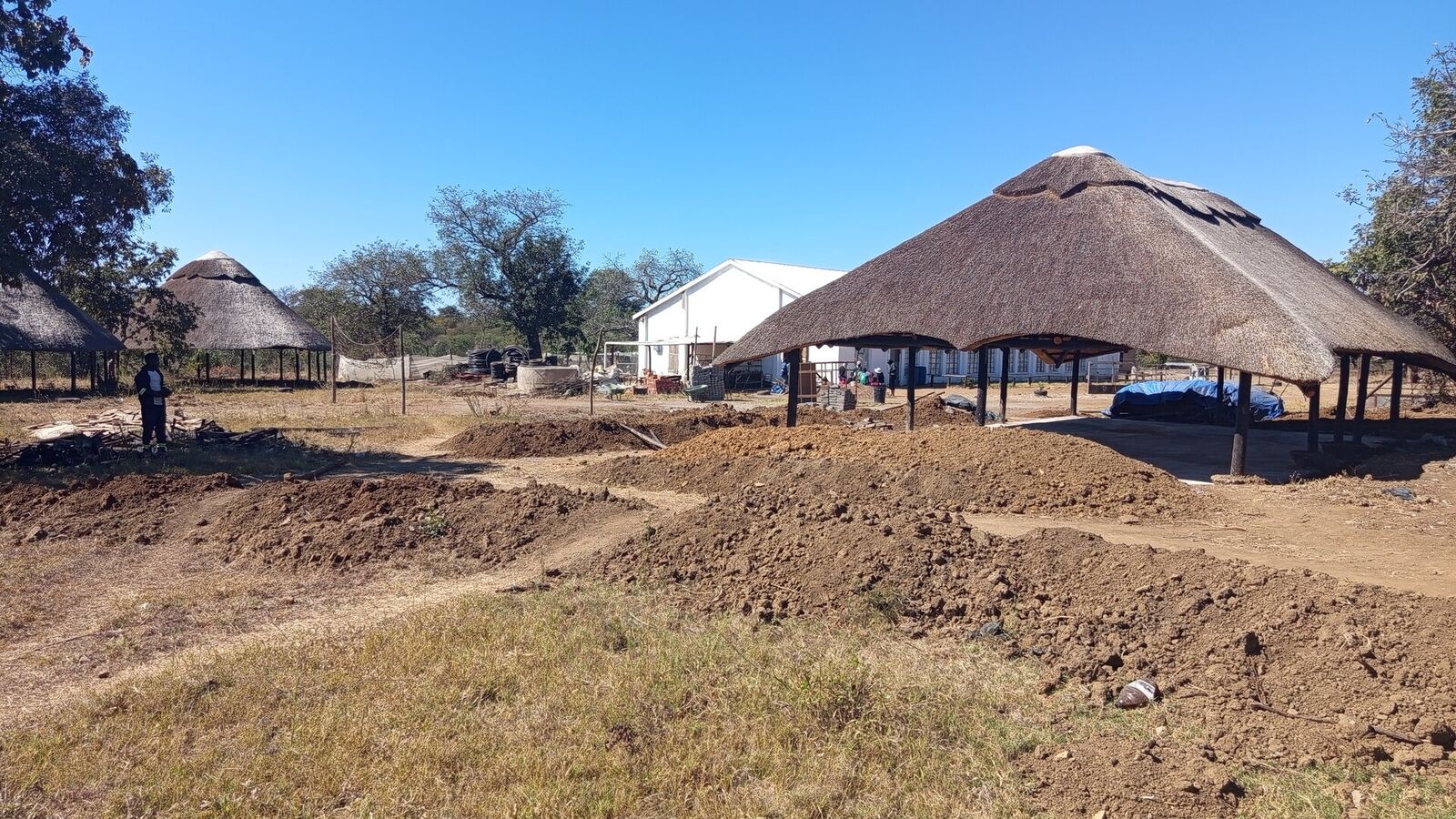
Growing Campus
Expanding learning opportunities
Nook Learning Hub
Central facility with water storage and infrastructure
Food Production Hub
Fresh produce storage and culinary training
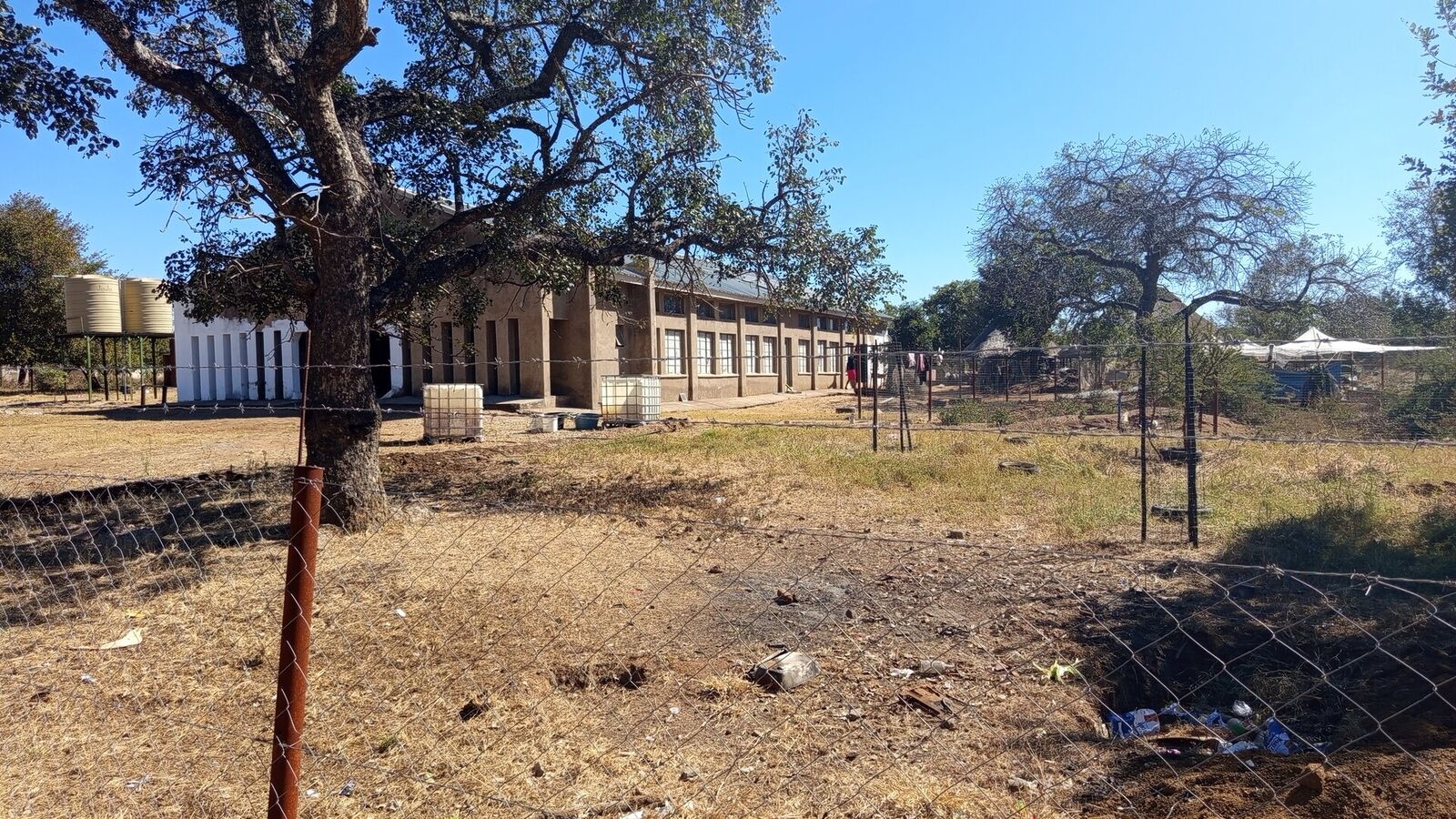
Extended campus
Multiple buildings supporting diverse programmes
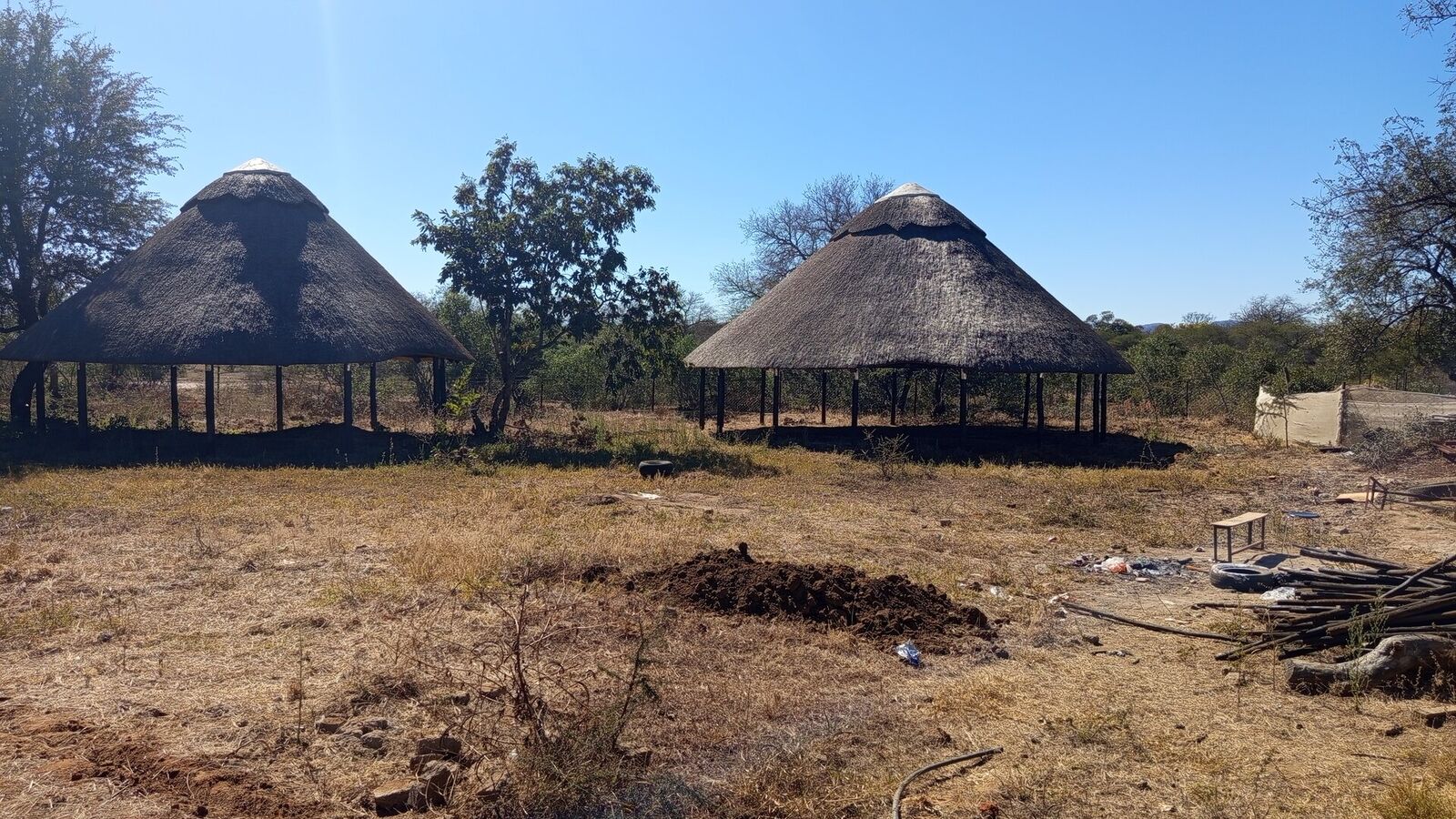
Community infrastructure
Buildings and facilities that support the community
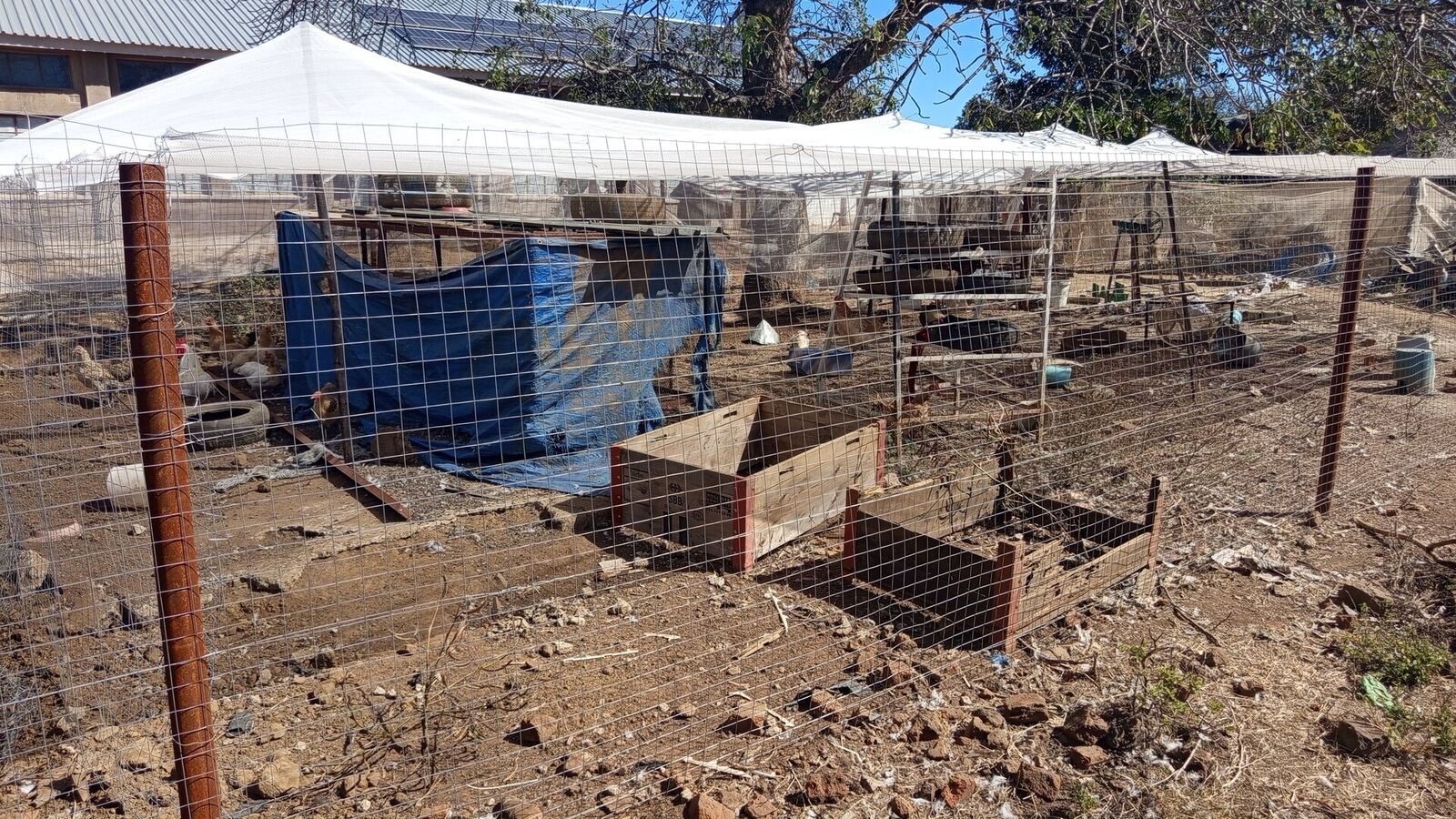
Permaculture learning area
Integrated sustainable farming systems
Matibi Nook Innovation Centre
Zimbabwe's first self-learning innovation hub
Digital Learning
Computer and technology skills
Our comprehensive facilities blend modern technology with traditional wisdom, creating an innovative learning environment where students develop both technical skills and cultural knowledge essential for community development. From our solar-powered computer lab to traditional craft workshops, every space is designed to foster creativity, learning, and entrepreneurship.
Real Success Stories from the Nook
Bakery Enterprise
Income-Generating Success
A learning group successfully developed and sells cleaning products created in the Nook, plus bakes cakes for birthdays and weddings. They found both the skills and infrastructure at the Nook.
Key Achievement:
Self-sustaining business using locally sourced ingredients with traditional Zimbabwean flavors
Tech Innovation
App Development
Learners created an Android quiz app in Shona that caught the attention of the German Embassy. This demonstrates how local language technology can have international impact.
Key Achievement:
Cultural preservation through technology with diplomatic recognition
Design Services
Creative Enterprise
The Nook now offers printing services and flyer design with learner involvement, generating income while developing practical design and business skills.
Key Achievement:
Professional services creating jobs while keeping money in the community
Fashion & Beauty
Skills Diversification
Learners developed skills in hairdressing and sewing protective bonnets, which they now sell in townships around Matibi, creating sustainable income streams.
Key Achievement:
Market-driven skills creating immediate economic opportunities
Learner Testimonial
"My name is Eunice Phiri. I come from Mafirenyika village, about 10km away. When I came to the Nook in 2021, I wanted to learn baking, but to my surprise there were many other things to do. I participated in the Edison Challenge, and though I almost left thinking I wasn't smart enough, I discovered I could learn and create more than I ever imagined."
- Eunice Phiri, Nook Graduate
2024-2025-2026 Expansion & Current Projects
Major Infrastructure Development
Nook Hostel Construction
50-person capacity hostel enabling learners from distant villages to participate
Permaculture Project Expansion
Advanced sustainable agriculture training and demonstration plots
Climate-Friendly Roof
New sustainable roofing technology improving energy efficiency
Solar-Powered Butchery
Food processing facility creating jobs and improving food security
2024 Investment: $276,428 USD
This significant investment covers all major expansions including the hostel construction, permaculture project, solar butchery, climate roof, and second vehicle for expanded reach.
Nook Learning Center: A Journey of Innovation
From Vision to Reality
The Nook Learning Center opened on September 21, 2021 as Zimbabwe's first self-learning innovation hub, designed to empower rural communities through practical, project-based education.
Our unique approach combines traditional skills with modern technology, enabling learners to create income-generating projects while solving real community challenges.
2024 Investment: $276,428 USD
Nook Hostel, Permaculture Project, Solar Butchery, Climate-Friendly Roof, Second Vehicle
Learner Success Stories
Eunice Phiri
"I came to learn baking but discovered so much more. The Edison Challenge pushed me beyond my comfort zone, and now I'm creating innovative solutions for my community."
Muffin & Scone Production
Learners have established successful bakery businesses, diversifying income sources after receiving training from SIRP and IFAD partnerships.
Android App Development
Our students created a Shona-language quiz app that caught the attention of the German Embassy, showcasing innovation in local language education.
First Cycle Results (2022)
Learners Participated
In 14 teams across multiple projects
Projects Completed
From 3-tier cakes to electric bikes
Business Interest
Orders received for learner products
Active Learning Programs
Culinary Arts
Traditional Zimbabwean flavors, wedding cakes, and local cuisine innovation
Fashion & Textiles
School uniforms, traditional attire, and modern fashion design
Digital Innovation
App development, programming, and digital literacy
Crafts & Construction
Furniture making, traditional games, and architectural models
2024 Development Highlights
Infrastructure Expansion
- • New climate-friendly roof installation
- • Solar-powered butchery project
- • Nook Hostel construction for 50 residents
- • Enhanced permaculture gardens
Business Development
- • National trade fair participation (Harare & Bulawayo)
- • Corporate internship partnerships
- • Community printing and design services
- • Solar irrigation system integration
Measurable Impact
Villages Served
Active Learners
Learning Teams
Self-Learning Focus
Voices from the Nook Community
"I came to learn baking but discovered so much more. The Edison Challenge pushed me beyond my comfort zone, and now I'm creating innovative solutions for my community."
Eunice Phiri
Nook Learner & Entrepreneur
"The Nook taught us to think beyond traditional boundaries. We created a Shona-language quiz app that caught the attention of the German Embassy—showing how innovation can preserve culture while embracing technology."
Digital Innovation Team
App Development Project
Partnership Success Stories
🍰 Bakery Business Success
Self-sustaining business using locally sourced ingredients with traditional Zimbabwean flavors
🏆 National Recognition
Our students have participated in national trade fairs in Harare and Bulawayo, showcasing their innovations and establishing corporate internship partnerships. Their Shona-language app development gained recognition from international embassies.