Solar Energy Brings Sustainable Light to Matibi
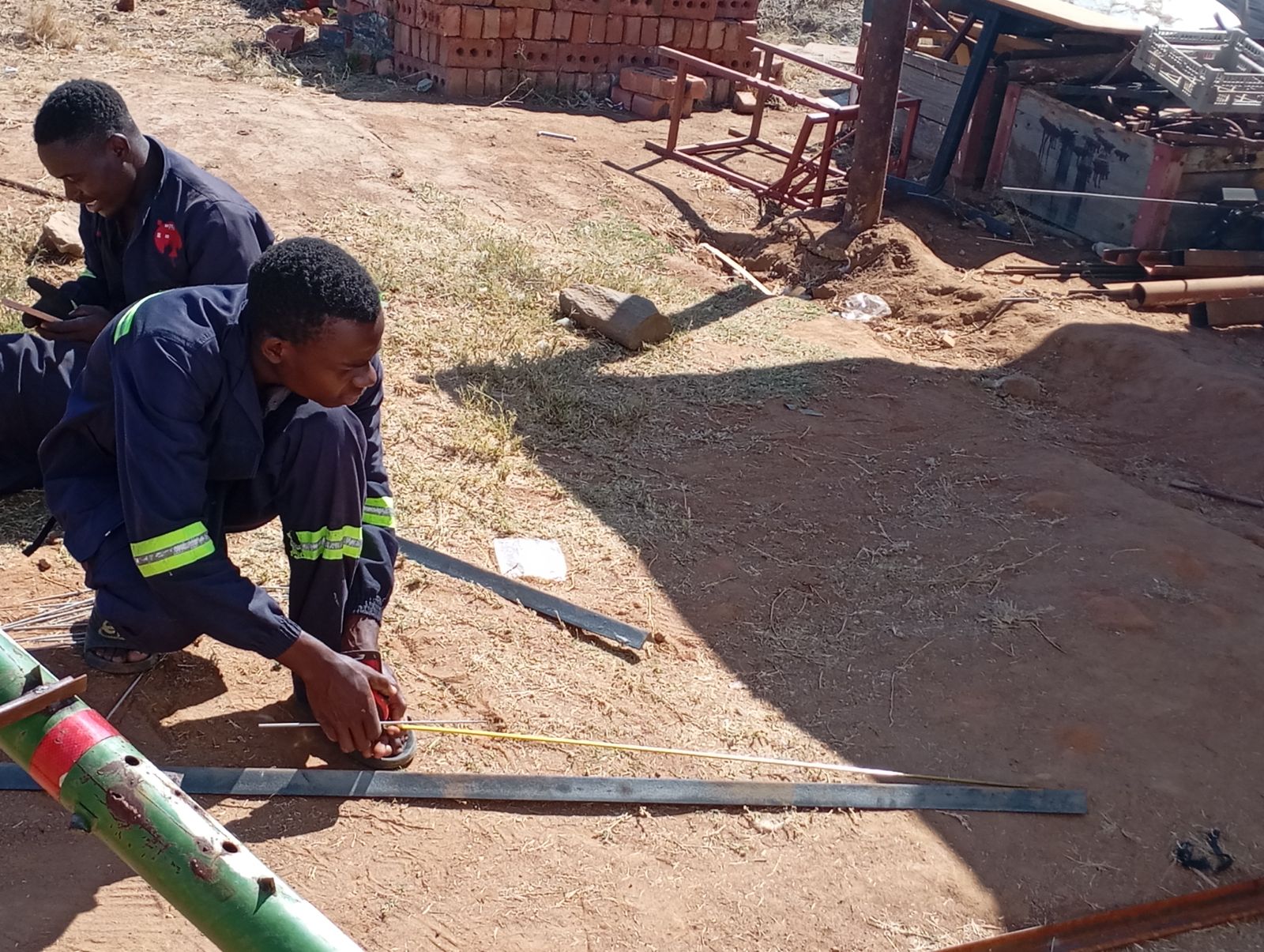
The Friends for Matibi team has successfully completed the installation of the solar stand for the Nook borehole, a crucial step toward ensuring sustainable water supply for our learning community. This technical installation represents significant progress in our renewable energy infrastructure development.
Solar Infrastructure Development
The solar stand installation project achieved:
⚡ Sustainable Water Access
Ensuring reliable, solar-powered water pumping for the Nook Learning Center and surrounding community facilities.
Technical Achievements
• Structural Installation: Professional mounting of solar panel support structures
• Electrical Systems: Safe and efficient electrical connections for power generation
• Water Pumping Integration: Connecting solar power to borehole pumping systems
• Safety Features: Implementing protective measures for equipment and users
• Maintenance Access: Designing systems for easy ongoing maintenance
Project Components
☀️ Solar Panels
High-efficiency panels for reliable energy generation
🏗️ Support Structure
Durable mounting system for panel stability
💧 Water System
Integration with existing borehole infrastructure
🔧 Control Systems
Automated controls for efficient operation
Community Benefits
This solar installation provides:
• Reliable Water Access: Consistent water supply independent of grid electricity
• Cost Savings: Reduced dependence on expensive grid power or fuel generators
• Environmental Protection: Clean, renewable energy reducing carbon footprint
• Community Resilience: Independent water system improving disaster preparedness
• Educational Opportunities: Practical demonstration of renewable energy technology
Technical Specifications
The installation includes:
• Solar Capacity: Appropriately sized solar array for water pumping needs
• Pumping System: Efficient solar-powered water pumps
• Storage Solutions: Water storage tanks for continuous availability
• Monitoring Equipment: Systems to track performance and maintenance needs
• Safety Equipment: Circuit protection and grounding systems
Implementation Process
The project followed systematic phases:
• Site Assessment: Evaluation of optimal solar panel placement
• Engineering Design: Technical planning for maximum efficiency
• Professional Installation: Skilled technical team implementation
• System Testing: Comprehensive testing of all components
• Community Training: Instructions for basic operation and maintenance
Sustainability and Maintenance
Long-term success ensured through:
• Local Training: Community members trained in basic maintenance
• Quality Components: Durable equipment designed for local conditions
• Support Systems: Ongoing technical support and spare parts availability
• Monitoring Programs: Regular performance evaluation and optimization
Future Development
This installation serves as foundation for:
• System Expansion: Additional solar capacity for growing needs
• Technology Replication: Model for other community solar projects
• Skills Development: Training opportunities in renewable energy technology
• Community Education: Demonstrating benefits of clean energy solutions
The successful installation of this solar stand represents a significant step forward in sustainable infrastructure development, providing reliable water access while demonstrating the practical benefits of renewable energy technology for rural communities.