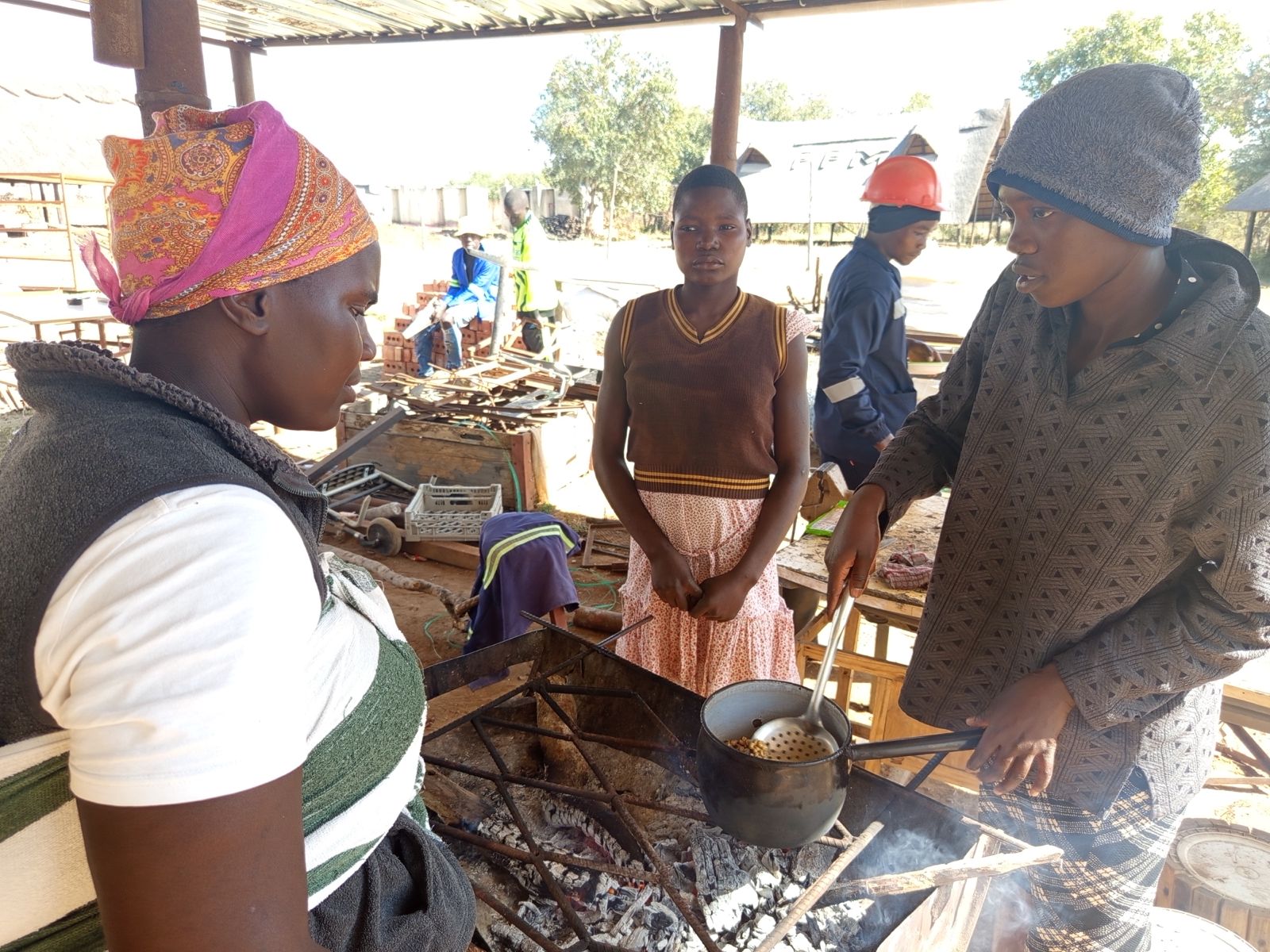
Completing the Project Prototype Phase
We successfully facilitated the final day of project prototype development, marking a significant milestone in our co-designing process with learners. This intensive session brought together all the collaborative work that has been building over the past weeks, creating a strong foundation for the next phase of project implementation.
Prototype Session Photo Gallery
Facilitation Session
Guiding learners through prototype development
Co-Design Process
Collaborative approach to project development
Team Discussion
Planning the next phase of development
Project Planning
Strategic planning for project implementation
Tools and Materials
Organizing resources for project completion
Learner Engagement
Active participation in prototype development
Strategic Break and Preparation Phase
Following the completion of the prototype phase, we are now taking a well-deserved two-week break. This pause is strategically planned to allow both facilitators and learners to reflect on the progress made and prepare for the intensive project-building phase that lies ahead.
The break serves multiple purposes: it provides time for consolidation of learning, allows for any necessary adjustments to project plans, and ensures that everyone returns refreshed and ready for the demanding work of bringing prototypes to full implementation.
Productive Planning Discussion
During our final session, we held comprehensive discussions about expectations and objectives for the post-break period. This forward-looking conversation was crucial for ensuring that learners understand the transition from prototype development to actual project building.
Key Discussion Points:
- • Timeline and milestones for the project-building phase
- • Individual and team responsibilities moving forward
- • Resource requirements and availability
- • Quality standards and success metrics
- • Support systems and mentorship structures
Tools and Materials Realignment
A significant achievement of this final session was the successful realignment of tools and materials. This organizational work ensures that when learners return from their break, everything will be properly positioned and readily available for the intensive project-building work ahead.
The realignment process involved:
Inventory assessment of all available tools and materials, categorization based on project requirements and phases, strategic positioning for easy access during work sessions, and quality checks to ensure all equipment is in optimal working condition.
Preparing for Project Implementation
The upcoming project-building phase represents the culmination of weeks of collaborative design work. Learners will now have the opportunity to transform their carefully developed prototypes into fully functional projects that can make real impact in their communities.
What to Expect After the Break:
- ✓ Intensive hands-on project building sessions
- ✓ One-on-one mentorship and technical support
- ✓ Regular progress assessments and feedback
- ✓ Collaborative problem-solving workshops
- ✓ Final presentation and showcase preparation
Looking Forward: From Prototype to Reality
This transition from prototype to implementation represents a critical juncture in the learning journey. The co-design process has equipped learners with not just technical skills, but also with the collaborative mindset and problem-solving approaches necessary for successful project completion.
When we reconvene after the break, the focus will shift from design and planning to execution and refinement. This phase will challenge learners to apply everything they have learned while developing new competencies in project management, quality control, and real-world application of their innovations.
The foundation has been laid, the tools are ready, and the path forward is clear. We look forward to returning with renewed energy to support our learners as they bring their visions to life through practical, impactful projects that will benefit their communities for years to come.