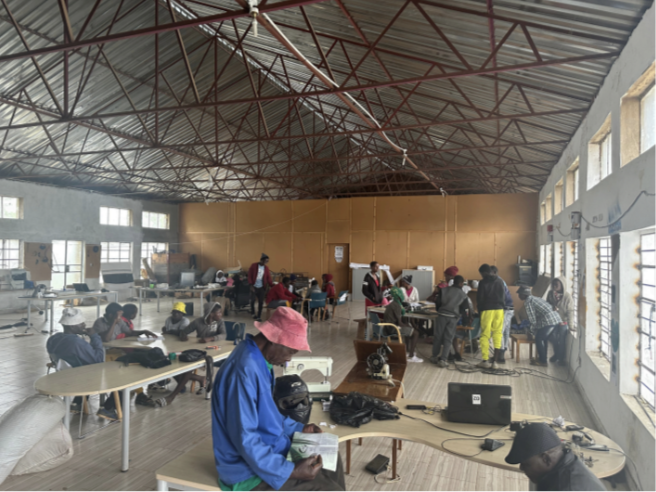
Transformative Educational Initiative: 4th Cycle of Matibi Nook Hub Shows Sustainable Impact
The fourth cycle of the Matibi Nook Hub marks a significant milestone in the development of innovative educational approaches for rural Zimbabwe. This comprehensive impact report documents the transformative effects of the learning programs on individual participants and the broader community.
Comprehensive Educational Program
The 4th cycle focused on delivering:
🎓 Holistic Skills Development
Combining technical skills training with life skills development, entrepreneurship education, and personal empowerment to create well-rounded, capable individuals.
Key Program Components
• Technical Skills Training: Hands-on learning in metal fabrication, mechanics, and digital literacy
• Business Development: Entrepreneurship training and small business management
• Personal Development: Communication, leadership, and critical thinking skills
• Community Projects: Real-world applications of learned skills for community benefit
• Mentorship Programs: Ongoing support from experienced professionals and peers
Impact Measurement and Results
📈 Learning Outcomes
Measurable improvements in technical and soft skills
💼 Employment Success
Job placement and entrepreneurship achievements
🤝 Community Impact
Contributions to local development initiatives
🌱 Personal Growth
Confidence, leadership, and life skills development
Participant Success Stories
The 4th cycle produced remarkable individual achievements:
• Skills Mastery: Participants demonstrating advanced proficiency in chosen technical areas
• Business Creation: Several participants launching successful small businesses
• Employment Success: High rate of job placement in relevant fields
• Community Leadership: Graduates taking leadership roles in local initiatives
• Knowledge Transfer: Participants teaching skills to other community members
Innovation in Learning Methods
The program utilized cutting-edge educational approaches:
• Project-Based Learning: Real-world projects that develop practical skills
• Peer Collaboration: Learning from and teaching fellow participants
• Technology Integration: Digital tools enhancing traditional learning methods
• Community Partnerships: Connections with local businesses and organizations
• Continuous Assessment: Regular evaluation and feedback for improvement
Community Development Impact
The Nook Hub creates broader community benefits through:
• Local Capacity Building: Increased skilled workforce in the community
• Economic Development: New businesses and services contributing to local economy
• Knowledge Networks: Connections between learners, mentors, and community leaders
• Innovation Culture: Encouraging creative problem-solving and entrepreneurship
• Social Cohesion: Bringing people together around common learning goals
Sustainability and Scaling
🔄 Long-term Vision
The 4th cycle results demonstrate the program's sustainability and readiness for expansion to serve more communities across rural Zimbabwe.
Program Improvements and Innovations
Based on 4th cycle experiences:
• Curriculum Enhancement: Refined training content based on participant feedback
• Technology Upgrades: Improved digital learning resources and tools
• Partnership Expansion: New collaborations with employers and training organizations
• Assessment Systems: Better methods for tracking progress and outcomes
• Alumni Networks: Systems for ongoing support of program graduates
Future Development Plans
The success of the 4th cycle supports plans for:
• Program Expansion: Reaching more participants and communities
• Skill Diversification: Adding new technical and business training areas
• Advanced Levels: Developing intermediate and advanced training programs
• Regional Replication: Establishing similar programs in other areas
• International Partnerships: Connecting with global learning networks
Measurable Outcomes
Quantitative results from the 4th cycle include:
• Completion Rates: High percentage of participants successfully completing programs
• Skill Assessments: Documented improvements in technical and soft skills
• Employment Statistics: Job placement and business creation rates
• Community Projects: Number and impact of participant-led initiatives
• Follow-up Success: Tracking long-term outcomes for program graduates
The 4th cycle of the Matibi Nook Hub demonstrates the power of innovative, community-centered education to transform lives and strengthen rural communities, providing a proven model for sustainable development through learning.