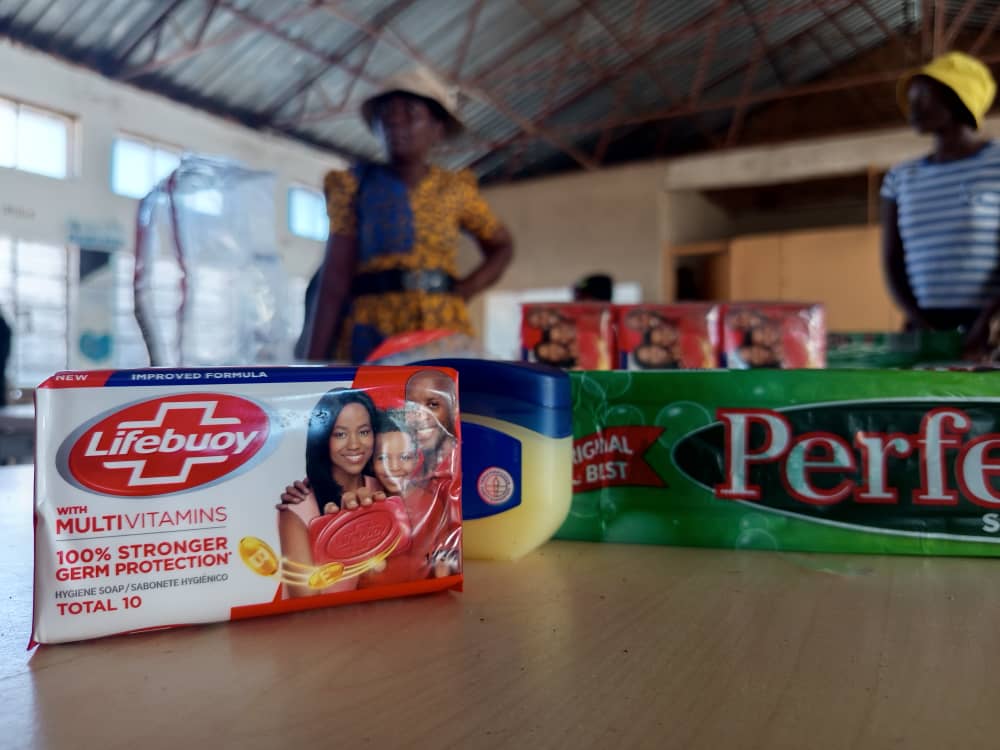
Health and Hygiene in Focus: Comprehensive Educational Initiative at the Nook
The Nook Learning Center has conducted a groundbreaking health and hygiene session aimed at strengthening awareness of community health and providing practical knowledge about healthy living practices. This comprehensive educational initiative addresses fundamental health challenges in rural communities.
Comprehensive Health Education Program
The health and hygiene session covered essential topics including:
💊 Health Awareness Building
Educating community members about preventive healthcare, disease prevention, and healthy lifestyle practices that can dramatically improve quality of life.
Key Program Components
• Personal Hygiene Practices: Proper handwashing, dental care, and body hygiene
• Water and Sanitation: Safe water handling and basic sanitation principles
• Nutrition Education: Balanced diet planning and food safety practices
• Disease Prevention: Understanding common illnesses and prevention strategies
• Community Health: Collective responsibility for maintaining healthy environments
Practical Skills Development
Participants gained hands-on experience in:
• Hygiene Demonstrations: Step-by-step guidance on proper hygiene techniques
• Safe Water Treatment: Methods for ensuring clean drinking water
• Food Preparation Safety: Preventing foodborne illnesses through proper handling
• Basic First Aid: Essential emergency response skills
• Health Monitoring: Recognizing signs of common health issues
Community Impact
🏥 Preventive Care
Reducing illness through prevention rather than treatment
👨👩👧👦 Family Health
Improving health outcomes for entire households
🌍 Community Wellness
Creating healthier community environments
💡 Health Literacy
Building knowledge for informed health decisions
Educational Methods
The session utilized various engaging approaches:
• Interactive Demonstrations: Hands-on learning experiences
• Group Discussions: Sharing experiences and challenges
• Visual Aids: Charts, diagrams, and practical examples
• Q&A Sessions: Addressing specific community concerns
• Peer Learning: Participants teaching and learning from each other
Long-term Health Benefits
This initiative creates lasting change through:
• Behavior Change: Establishing healthy daily routines
• Knowledge Transfer: Participants sharing information with families
• Community Standards: Raising overall hygiene and health standards
• Prevention Focus: Reducing disease incidence through proactive measures
Sustainability and Follow-up
The program ensures long-term impact by:
• Regular Refresher Sessions: Ongoing education and skill reinforcement
• Community Health Champions: Training local advocates for health promotion
• Resource Provision: Ensuring access to basic hygiene supplies
• Monitoring and Evaluation: Tracking health improvements in the community
This comprehensive health and hygiene initiative demonstrates how education can be a powerful tool for improving community wellness, creating healthier environments, and empowering individuals to take control of their health outcomes.