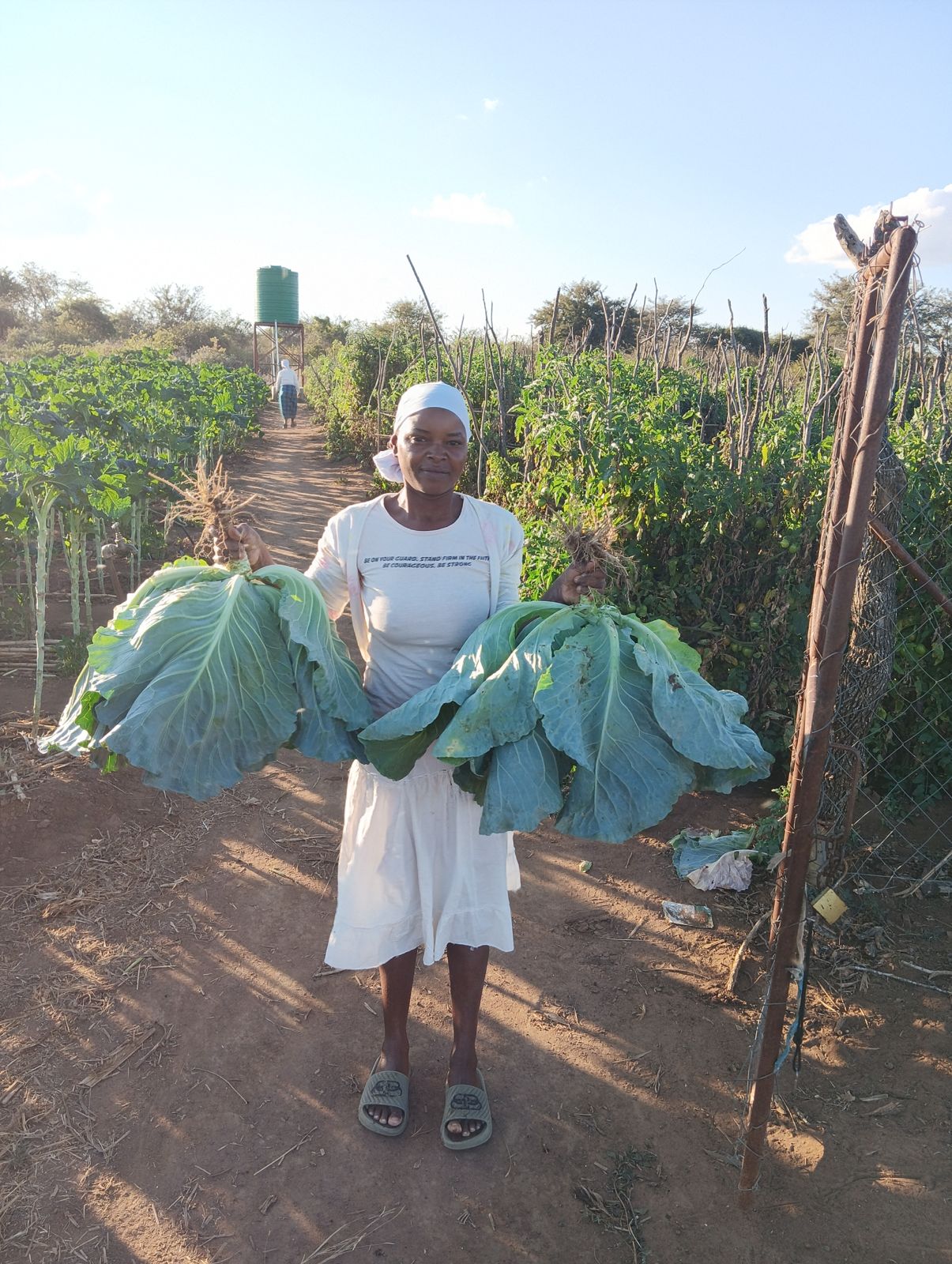
Building Sustainable Communities: Successful Harvest at Njeremoto Organic Garden
The Friends for Matibi team celebrated an important milestone in sustainable community development with the successful harvest at the Njeremoto organic garden. This initiative demonstrates how local communities can achieve food security through sustainable agricultural practices.
Harvest Success Story
The Njeremoto organic garden has achieved remarkable results through:
🌱 Organic Growing Methods
Using natural composting, crop rotation, and chemical-free farming techniques to produce healthy, nutritious vegetables.
Community Impact
• Food Security: Fresh, healthy vegetables for local families
• Nutrition Education: Learning about balanced diets and healthy eating
• Economic Benefits: Surplus produce provides income for community members
• Skill Development: Training in sustainable agricultural techniques
Sustainable Practices
The garden demonstrates several key sustainable practices:
• Water Conservation: Efficient irrigation systems minimize water usage
• Soil Health: Composting and natural fertilizers maintain soil fertility
• Biodiversity: Mixed cropping supports ecological balance
• Knowledge Sharing: Community members learn and teach sustainable methods
Training and Capacity Building
Community members have gained valuable skills in:
• Organic Farming Techniques: Chemical-free growing methods
• Composting and Soil Management: Natural soil enrichment practices
• Pest Management: Organic approaches to crop protection
• Harvest and Post-Harvest Handling: Maximizing crop value and nutrition
Future Plans
The success at Njeremoto serves as a model for:
• Garden Expansion: Increasing cultivation area and crop diversity
• Community Replication: Establishing similar gardens in other areas
• Market Development: Creating local markets for organic produce
• Youth Engagement: Training young farmers in sustainable practices
This harvest represents more than just food production - it demonstrates the power of sustainable agriculture to strengthen communities, improve nutrition, and create economic opportunities while protecting the environment.