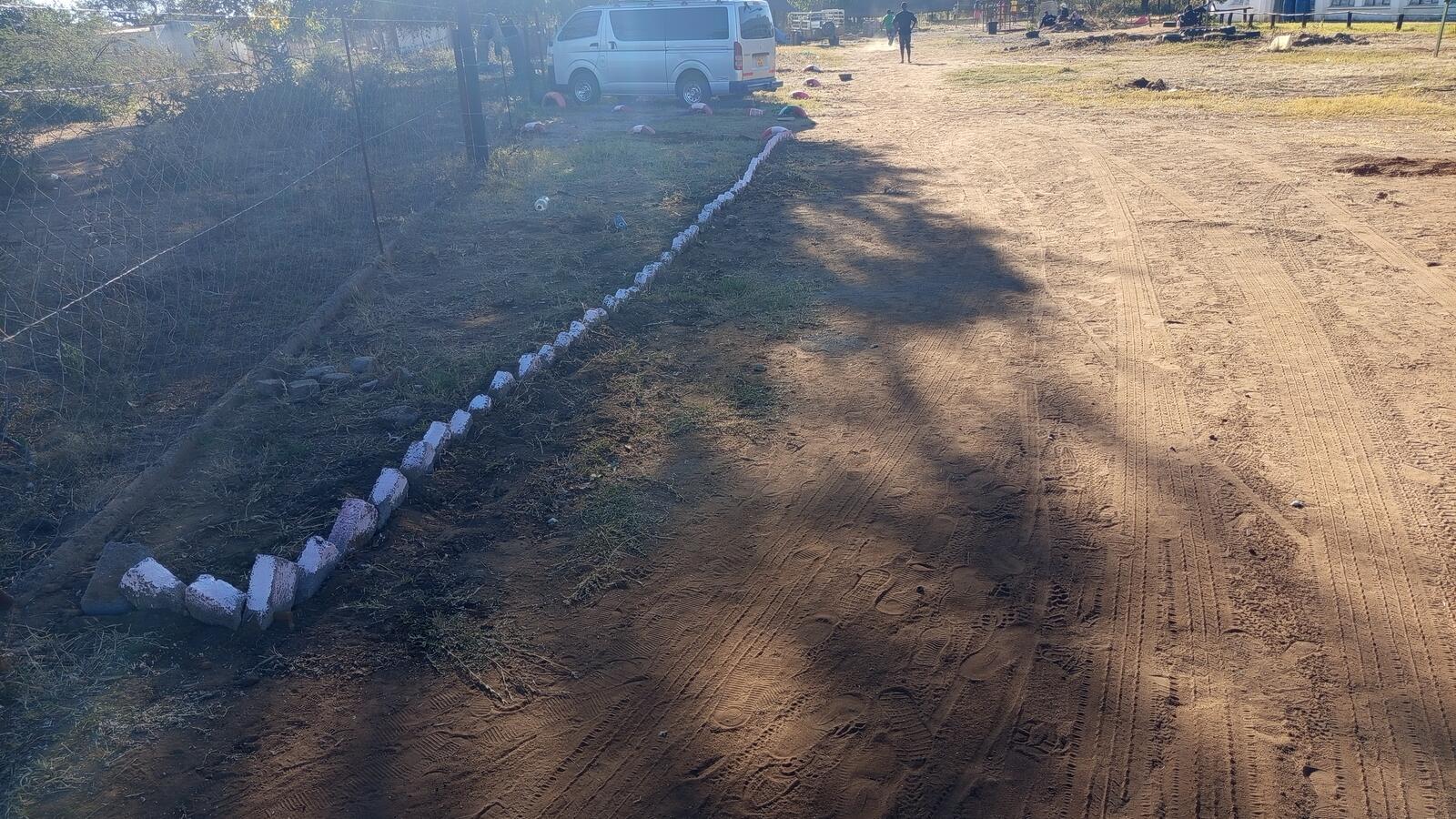
Circular Economy in Practice: Waste Recycling as Community Resource
The beautification and recycling session transforms the understanding of waste from a problem into an opportunity for creative community development. This innovative initiative demonstrates how systematic waste management and recycling can create valuable resources while improving community environments.
Innovative Waste Management Approach
The recycling program focuses on:
♻️ Waste-to-Resource Transformation
Converting waste materials into useful products and resources through creative recycling, upcycling, and repurposing techniques.
Program Components
• Waste Collection and Sorting: Systematic gathering and categorization of recyclable materials
• Creative Upcycling: Transforming waste into new, useful products
• Community Beautification: Using recycled materials for environmental improvements
• Skills Development: Teaching recycling and craft techniques to community members
• Environmental Education: Raising awareness about waste reduction and sustainability
Recycling Activities
🎨 Creative Crafts
Art projects and decorative items from waste materials
🏠 Functional Items
Household goods and community infrastructure
🌱 Garden Projects
Planters, garden tools, and growing containers
🎪 Community Spaces
Seating, shelter, and recreational facilities
Environmental Benefits
The recycling initiative creates positive environmental impact by:
• Waste Reduction: Decreasing the amount of waste sent to landfills
• Resource Conservation: Reducing demand for new raw materials
• Pollution Prevention: Minimizing environmental contamination
• Energy Savings: Reducing energy consumption in manufacturing
• Habitat Protection: Preserving natural areas from resource extraction
Community Development Impact
The program strengthens communities through:
• Skill Building: Teaching valuable recycling and craft techniques
• Economic Opportunities: Creating income through waste-based products
• Community Pride: Improving local environments and aesthetics
• Collaboration: Bringing people together for common goals
• Problem-Solving: Developing creative solutions to waste challenges
Educational Components
Participants learn about:
• Waste Hierarchy: Understanding reduce, reuse, recycle priorities
• Material Properties: Learning which materials can be recycled or reused
• Creative Techniques: Developing artistic and practical skills
• Environmental Impact: Understanding connections between waste and environment
• Sustainable Living: Adopting lifestyle practices that minimize waste
Economic Benefits
The recycling program creates value through:
• Cost Savings: Reducing waste disposal expenses
• Product Sales: Marketing recycled goods for income generation
• Skill Development: Building marketable crafting abilities
• Resource Recovery: Extracting value from discarded materials
• Local Production: Creating goods locally rather than purchasing externally
Community Beautification Results
🌈 Visual Transformation
The recycling program has visibly improved community spaces through colorful decorations, functional furniture, and creative installations made from waste materials.
Sustainability and Scaling
The program ensures long-term impact through:
• Ongoing Training: Regular workshops to maintain and develop skills
• Community Leadership: Training local champions to continue programs
• Resource Networks: Establishing systems for material collection and distribution
• Knowledge Sharing: Documenting techniques for replication in other areas
• Continuous Innovation: Encouraging new ideas and creative approaches
This comprehensive recycling and beautification initiative demonstrates how communities can transform waste management challenges into opportunities for environmental improvement, economic development, and social cohesion, creating a model for sustainable community development.