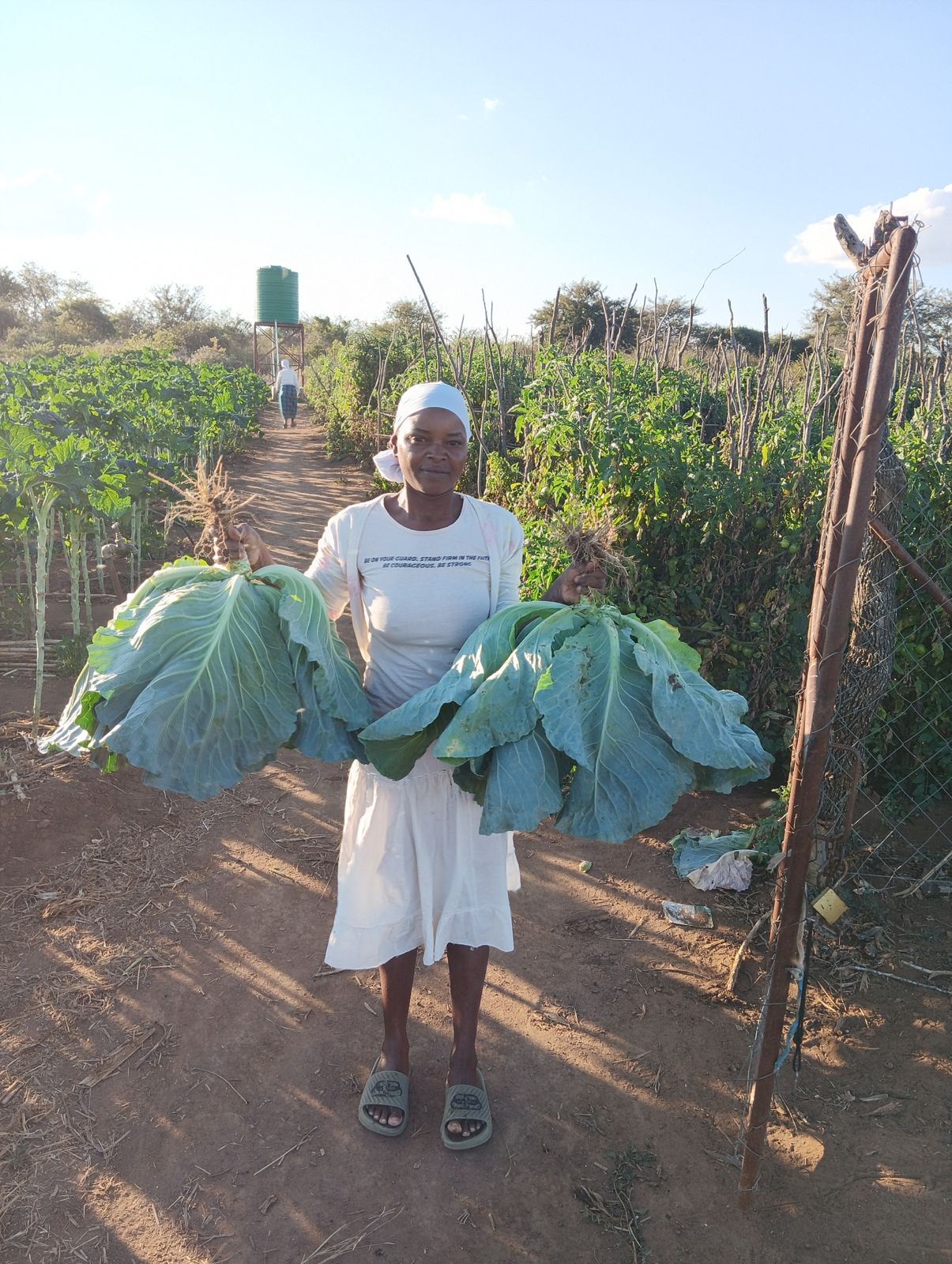
Progress in Food Security: Permaculture as Sustainable Solution in Matibi
The initiative to improve food security through permaculture in Matibi represents an innovative approach to sustainable agriculture. This comprehensive program combines traditional knowledge with modern permaculture techniques to create resilient food systems that can withstand environmental challenges.
Innovative Agricultural Approach
The permaculture program focuses on:
🌱 Sustainable Food Systems
Creating self-sustaining agricultural systems that work with natural processes to produce food while regenerating the environment.
Core Permaculture Principles
• Care for the Earth: Protecting and regenerating natural ecosystems
• Care for People: Meeting human needs through sustainable practices
• Fair Share: Ensuring equitable distribution of resources and surplus
• Diversity: Promoting biodiversity in crops and farming methods
• Integration: Combining different elements to create synergistic systems
Implementation Strategies
💧 Water Management
Rainwater harvesting, conservation, and efficient irrigation
🌾 Crop Diversification
Multiple crops to reduce risk and improve nutrition
🔄 Composting Systems
Organic waste recycling for soil improvement
🌳 Agroforestry
Integrating trees with crops for multiple benefits
Food Security Benefits
The permaculture approach improves food security by:
• Increased Production: Higher yields through optimized growing conditions
• Nutritional Diversity: Variety of crops providing balanced nutrition
• Year-Round Harvest: Seasonal planning for continuous food availability
• Climate Resilience: Resistant systems that withstand weather variations
• Reduced Dependence: Less reliance on external inputs and markets
Training and Capacity Building
Community members receive education in:
• Permaculture Design: Principles of sustainable farm system design
• Soil Management: Building and maintaining healthy, fertile soils
• Water Conservation: Techniques for efficient water use and conservation
• Natural Pest Control: Organic methods for managing crop pests
• Seed Saving: Preserving and developing local seed varieties
Environmental Benefits
The program creates positive environmental impact through:
• Soil Restoration: Rebuilding degraded soils through organic matter
• Biodiversity Enhancement: Supporting diverse plant and animal species
• Carbon Sequestration: Storing carbon in soil and vegetation
• Water Quality Protection: Reducing chemical runoff into waterways
• Ecosystem Services: Supporting natural processes that benefit communities
Economic Opportunities
Permaculture development creates income through:
• Surplus Sales: Marketing excess produce in local markets
• Value-Added Products: Processing foods for higher market value
• Training Services: Teaching permaculture skills to other communities
• Consulting Opportunities: Providing design services for new projects
• Eco-Tourism: Demonstrating sustainable practices to visitors
Community Impact
🤝 Social Benefits
Beyond food production, permaculture strengthens communities through knowledge sharing, cooperation, and collective problem-solving.
Success Measurements
Program effectiveness tracked through:
• Food Production Increases: Quantifiable improvements in harvest yields
• Nutritional Outcomes: Better dietary diversity and health indicators
• Soil Health Improvements: Testing of soil quality and fertility
• Water Efficiency: Measurement of water use and conservation
• Community Participation: Engagement levels and skill development
This comprehensive permaculture program demonstrates how sustainable agricultural practices can address food security challenges while protecting the environment and strengthening communities, creating a model for rural development that other regions can adapt and implement.